Try Our Media Planning Tools
Built on learnings from 10,000+ campaigns, designed to make every media decision smarter.
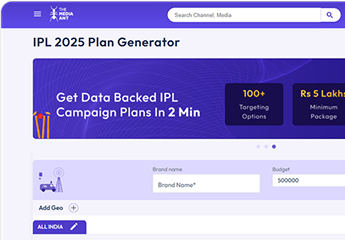
Generate a media plan from your brief
✨ Try Example Prompts
Explore the Full Media Planning Toolkit
From planning to optimization, every tool you need to make better media decisions.
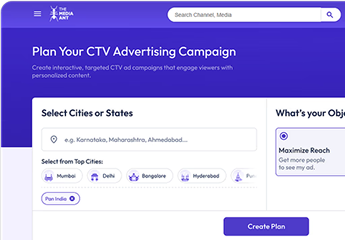
CTV Planner
Get platform-wise targeting, platform mix, and estimated reach for your Connected TV campaigns in just a few clicks.
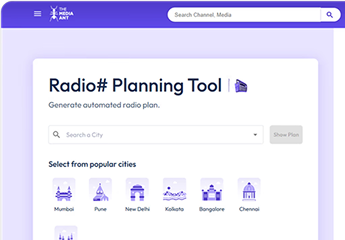
Radio Planner
Plan and book radio ads across India with ease—compare cities, slots, and rates in just a few clicks.
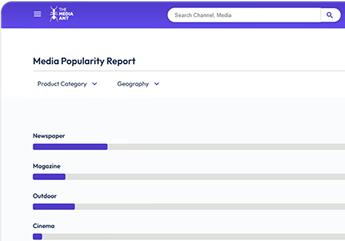
Media Popularity (MASH)
Discover which media your audience consumes most by category and region—backed by real data.
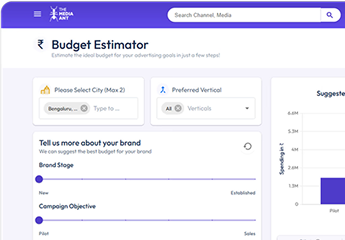
Budget Estimator
Instantly calculate your ideal media budget split based on your campaign goals and company size.
IPL Budget Estimator
Estimate IPL ad spends across TV, OTT, and digital—plan smarter during India's biggest media season.
Case Studies
Discover how leading brands partnered with The Media Ant to solve business challenges using smart media planning.
For Data-Driven Planning, We Use Tools Like
GWI
Consumer profiling & target insights
Adclarity
Digital media display intelligence
AdEx
TAM Media Research data tool
BARC
Broadcast Audience Research Council
IRS
Indian Readership Survey data
Similarweb
Website traffic & competitive analysis
How We Help You Understand Your Market and Competition
Leverage Our Data-Driven Insights to Stay Ahead in Your Industry
Category Understanding
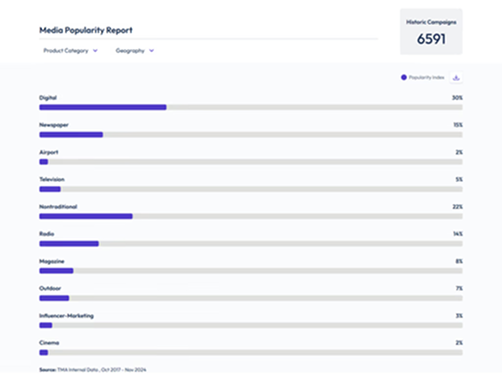
We dive deep into your category's dynamics with our Media Popularity Report, giving you a crystal clear view of where your audience lives.
Competition Understanding
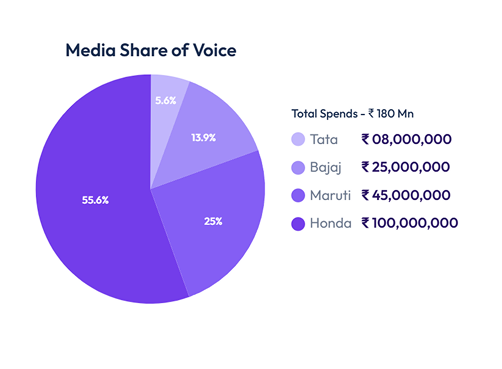
Stay informed with our Media Share of Voice Report, which provides a breakdown of your competitors' spends.
The Media Ant — Leading Advertising Agency in India
Years of Industry Experience
Clients Served
Campaigns Executed
Here's What Brands & Agencies Think About Us
Read All Stories open_in_new"The Media Ant's tool simplified our complex media planning needs. Their data-driven approach is a breath of fresh air in traditional agency spaces."
Manjunath Talwar
Founder, Hiree.com
"The execution transparency and planning speed are what set them apart. We've seen significant ROI on our campaigns through their radio planner."
N. Mohan
Marketing Head, Practo
"From discovery to execution, the journey is seamless. Their MASH reports helped us identify untapped regional markets perfectly."
Sharda Pillai
Brand Manager, Furlenco
FAQ's
Still have more questions?
Our experts are ready to help you plan your next big move.
Contact Us arrow_forwardWhat is Media Planning?
Media planning is the strategic process of identifying the best media platforms and channels to advertise a brand, product, or service effectively. It involves selecting the right combination of traditional and digital media to achieve desired marketing objectives, such as reaching the target audience, increasing brand awareness, or boosting conversions.
For example, if a company wants to launch a new product targeting young professionals, the media plan might include digital platforms like LinkedIn and Instagram, along with radio ads during prime commuting hours.
Media Planning Process
By identifying optimal platforms, such as television, radio, print, digital, or social media, media planners aim to maximize the impact of advertising campaigns within allocated budgets. This meticulous approach ensures that marketing efforts resonate with the right audience, driving desired outcomes and maximizing ROI.
Effective media planning involves a structured process, typically divided into five steps:
1. Define Goals and Objectives
Identify what the campaign intends to achieve—whether it's brand awareness, lead generation, or sales.
2. Understand the Target Audience
Use data analytics and audience insights to identify who the campaign is targeting, including demographics, preferences, and media consumption habits.
3. Select Media Channels
Choose from platforms such as print, radio, television, digital, or outdoor advertising. Each medium should align with the campaign's goals and the audience's behavior.
4. Allocate Budget
Distribute the budget effectively across chosen channels to maximize ROI. For instance, a campaign for regional outreach might allocate more to local radio ads.
5. Monitor and Optimize
Measure the campaign's performance using analytics tools, adjusting strategies and resource allocation for optimal results.
Importance of Media Planning
Media planning ensures that your marketing message reaches the right audience at the right time and place. Explore The Media Ant's Radio Planning Tool for tailored solutions that will provide you with a cost-effective way to connect with the regional audience. Without a strategic plan, even a high-quality advertisement may fail to deliver the desired impact.
Here's why media planning is crucial:
- Efficient Budget Utilization: Avoids overspending on ineffective channels.
- Targeted Reach: Focuses on platforms that resonate with your audience.
- Consistent Messaging: Ensures the brand message stays unified across all channels.
- Measurable Results: Helps track ROI and adjust strategies as needed.
Objectives of Media Planning
Media planning revolves around several core objectives:
- Maximizing Reach and Frequency: Ensuring that the target audience frequently encounters the advertisement.
- Improving Engagement: Crafting media campaigns that capture the audience's attention.
- Enhancing Cost Efficiency: Optimizing the campaign to achieve maximum results within the budget.
- Building Brand Awareness: Leveraging appropriate platforms to make a lasting impression.
For example, a brand targeting urban commuters might combine digital ads with strategic radio placements during peak traffic hours to enhance recall and engagement.
Media Plan Example
Imagine a national chain of gyms launching a campaign to promote fitness awareness. Their media plan might include:
- Radio Advertising: Using The Media Ant's Radio Planning Tool, they identify key time slots across cities for fitness-themed ads during morning and evening commutes.
- Social Media Campaigns: Partnering with fitness influencers to reach younger audiences.
- Outdoor Advertising: Billboard ads near popular gyms and city centers.
By integrating multiple channels, the brand ensures maximum impact and visibility.